Do Thieves Steal More in a Recession or When the Economy is Booming?
Home > Media > Embezzlement Blog > Do Thieves Steal More in a Recession or When the Economy is Booming?What You'll Learn
- Why forensic CPA David Harris finds that roughly 80% of the embezzlement cases Prosperident investigates involve "Greedy" thieves rather than "Needy" ones driven by financial hardship.
- How "Greedy" embezzlers spend stolen money on items like $150,000 automobiles and boats to fund a lifestyle they feel entitled to.
- The counterintuitive finding that more dental office theft actually occurs during a recovering or booming economy than during a recession.
- How a widening "lifestyle gap" during economic booms, as coworkers appear to get ahead faster, pushes greed-motivated employees toward embezzlement.
What You'll Learn
- Why forensic CPA David Harris finds that roughly 80% of the embezzlement cases Prosperident investigates involve "Greedy" thieves rather than "Needy" ones driven by financial hardship.
- How "Greedy" embezzlers spend stolen money on items like $150,000 automobiles and boats to fund a lifestyle they feel entitled to.
- The counterintuitive finding that more dental office theft actually occurs during a recovering or booming economy than during a recession.
- How a widening "lifestyle gap" during economic booms, as coworkers appear to get ahead faster, pushes greed-motivated employees toward embezzlement.
Do Thieves Steal More in a Recession or When the Economy is Booming?
Something I often get asked is whether more embezzlement takes place when the economy is in trouble. The answer isn’t a totally simple one, but it does show something interesting about embezzlers, so I am always happy to address the question do thieves steal more in a recession.
An economic downturn puts some people in a financial bind; spouses may lose their jobs, investments devalue, and falling housing prices cause homes to be “underwater” or can even make it difficult to obtain mortgage financing. All of these things exert sufficient financial pressure to cause a small minority of the population to steal.
We refer to this group as “Needy” thieves, and economic conditions certainly increase their numbers. However, we shouldn’t forget that there is another cohort, which we label as “Greedy”. Unlike the Needy, these people aren’t stealing to survive — they are stealing to purchase luxury items that they feel that they “deserve” but can’t afford on the salary you pay them. We’ve watched these people purchase everything from $150,000 automobiles to boats to lavishing expensive gifts on their friends.
Members of this group believe that society (and in particular their employer) underappreciate their talents and value. Stealing is their way of addressing this perceived inequity and tacitly demonstrating how smart they are.
I’ll mention two things about this group — they seem to be much larger than the Needy — approximately 80% of the embezzlement we find involves Greedy thieves. Second, the “lifestyle gap” that they perceive widens in a booming economy — they see others “getting ahead” faster than they are, and this motivates them to embezzle.
So, contrary to what you may have thought, we see more embezzlement in a recovering economy than one in a downturn, but it involves a different group of embezzlers.
Have questions about your practice? Click the button below
Economic Pressure on Your Staff Is Pressure on Your Practice.
Financial stress is a leading trigger for employee theft—in any economy. Prosperident's First Look Financial Review can reveal whether economic pressures are already affecting your practice.
Concerned about embezzlement in your practice?
Prosperident is dentistry’s embezzlement expert. Talk to us confidentially — there’s no obligation.
Something I often get asked is whether more embezzlement takes place when the economy is in trouble. The answer isn’t a totally simple one, but it does show something interesting about embezzlers, so I am always happy to address the question do thieves steal more in a recession.
An economic downturn puts some people in a financial bind; spouses may lose their jobs, investments devalue, and falling housing prices cause homes to be “underwater” or can even make it difficult to obtain mortgage financing. All of these things exert sufficient financial pressure to cause a small minority of the population to steal.
We refer to this group as “Needy” thieves, and economic conditions certainly increase their numbers. However, we shouldn’t forget that there is another cohort, which we label as “Greedy”. Unlike the Needy, these people aren’t stealing to survive — they are stealing to purchase luxury items that they feel that they “deserve” but can’t afford on the salary you pay them. We’ve watched these people purchase everything from $150,000 automobiles to boats to lavishing expensive gifts on their friends.
Members of this group believe that society (and in particular their employer) underappreciate their talents and value. Stealing is their way of addressing this perceived inequity and tacitly demonstrating how smart they are.
I’ll mention two things about this group — they seem to be much larger than the Needy — approximately 80% of the embezzlement we find involves Greedy thieves. Second, the “lifestyle gap” that they perceive widens in a booming economy — they see others “getting ahead” faster than they are, and this motivates them to embezzle.
So, contrary to what you may have thought, we see more embezzlement in a recovering economy than one in a downturn, but it involves a different group of embezzlers.
Have questions about your practice? Click the button below
Economic Pressure on Your Staff Is Pressure on Your Practice.
Financial stress is a leading trigger for employee theft—in any economy. Prosperident's First Look Financial Review can reveal whether economic pressures are already affecting your practice.
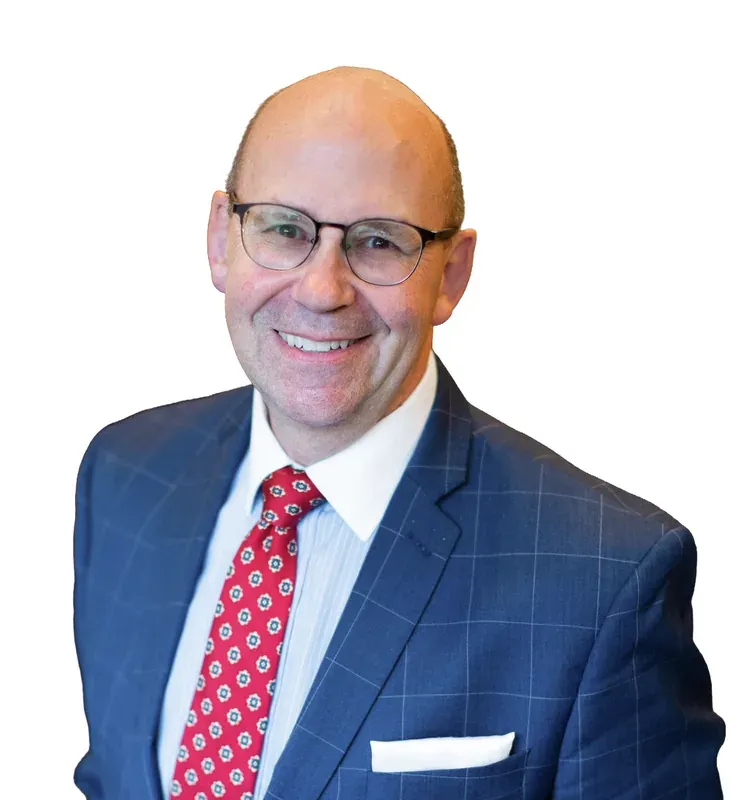
About the author
David Harris
Forensic CPA, CFE, CFF, FIADFE — Chief Executive Officer, Prosperident
David Harris is the Chief Executive Officer of Prosperident, the world's largest dental embezzlement investigation firm. A Forensic CPA, Certified Fraud Examiner, and Certified in Financial Forensics, he has led investigations into financial crime in dental practices since 1989 and speaks regularly to dental audiences across North America on detecting and preventing embezzlement.
Book a consultation with David ›